

Buddhist Counseling (BC) is a psychotherapeutic intervention modality for mental health. Unlike mindfulness-based stress reduction (MBSR) therapies, it draws upon the entirety of Buddhist philosophical and contemplative teachings (Dharma).
In 2018, with the aim of training professionals in this field, the Centre of Buddhist Studies (CBS) at the University of Hong Kong (HKU) launched the Master of Buddhist Counseling (MCB; in English, Master of Buddhist Counselling, MBC).
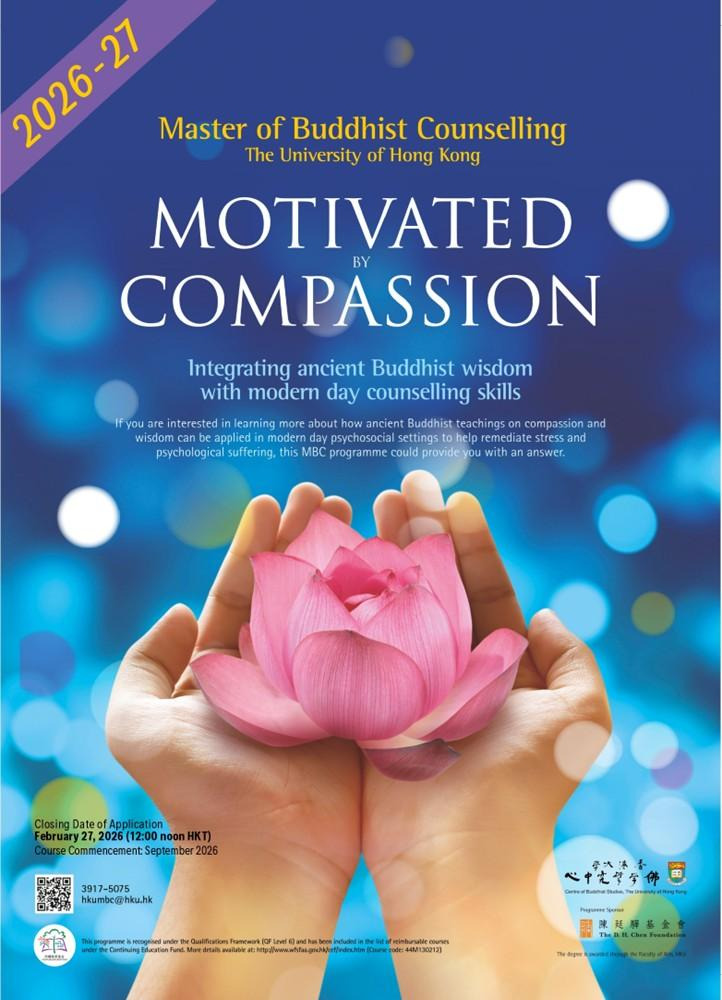
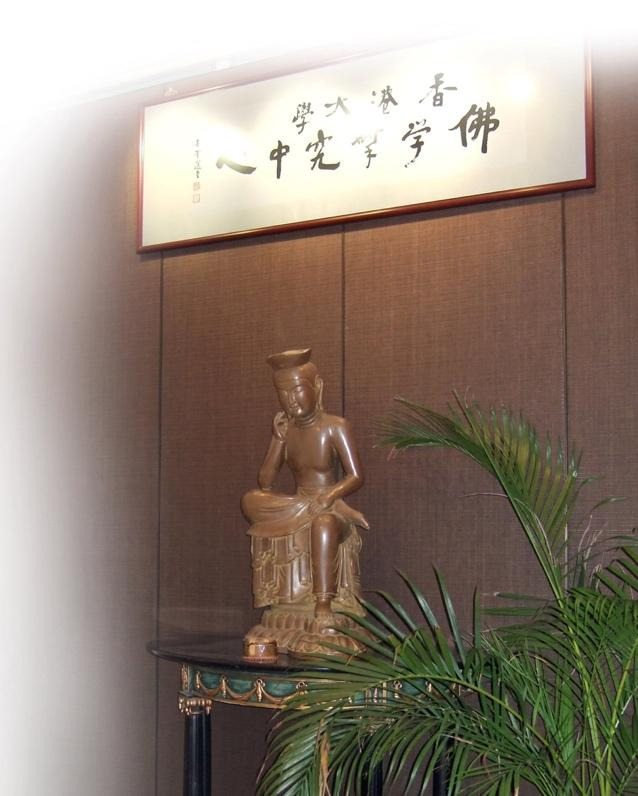
HKU has international academic recognition, and within that framework, CBS-HKU has developed a training program focused on the psychotherapeutic application of Buddhist resources in contemporary contexts.
Similar postgraduate programs exist in the United States, such as the clinical mental health counseling training at Naropa University (Colorado) and, in California, programs related to Buddhist spiritual care and chaplaincy at the University of the West, among others.
Graduates of the MBC or an equivalent program can opt for the Postgraduate Diploma in Professional Practice of Buddhist Counseling, awarded by the School of Professional and Continuing Education (HKU Space), and apply for registration with the Hong Kong Buddhist Association's Registration Office.
The Social Relevance of the MBC
This training program in Buddhist mindfulness and compassion attracts professionals from various fields, including public health, education, social work, police, and prisons, as well as Buddhist monks and nuns and those from other religious traditions. The overrepresentation of lay students in the MBC enrollment is notable.
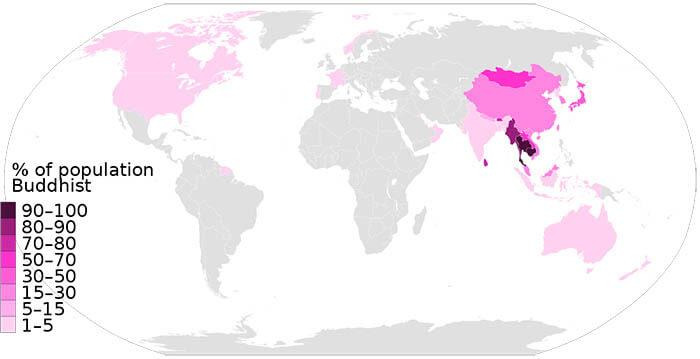
Now, let's consider why training professionals in this field is socially relevant. Firstly, there is a critical mass of Buddhist individuals who are potentially receptive to the psychotherapeutic use of Dharma teachings. According to recent estimates from the Pew Research Center, the global Buddhist population represents approximately 12% of the world's population, forming a considerably receptive social base for these types of therapeutic approaches. In Hong Kong, in particular, this percentage rises to 21%, indicating a notable predominance of this community.
Furthermore, it's important to consider those who, while not identifying as Buddhist, embrace Buddhist philosophy and practices. There are also individuals who, within the framework of interreligious dialogue, incorporate Buddhist practices without contradicting their own faith. In Spain and Latin America, the surveyed Buddhist population is merely 1%. Although their increase is not recorded, it is relevant to observe the proliferation of initiatives promoting Buddhism, which suggests growing interest and openness to these teachings.
Secondly, BC offers an alternative for addressing mental disorders. It is estimated that between 2022 and 2024, according to a case study with a sample of 3,053 Hong Kong adults, the prevalence of anxiety (including panic, PTSD, obsessive-compulsive disorders, etc.) was 8%; that of mood disorders (depression, bipolarity, etc.) was 4.3%; and that of externalizing disorders (such as intermittent explosivity or due to alcohol and other substance use) was 1.17% (Corine et al., 2025).
Globally, mental disorders are on the rise; for example, depression in adults has reached 5.7% (WHO, 2025). In Spain, according to the Annual Report of the National Health System (2016–2022), depressive disorders increased from 39.1 to 47 per 1,000 inhabitants; anxiety disorders, from 49.6 to 87.6; and sleep disorders, from 61.9 to 106.5. In Latin America and the Caribbean, PAHO and WHO report that in 2021 anxiety increased by 7.3%; depression, by 4.4%; and suicide, by 17%.
Buddhist organizations such as the D. H. Chen Foundation and the Tsz Shan Monastery have observed and addressed the growing demand —both in quantity and quality— for CB professionals, as well as for chaplaincy and pastoral care services. Therefore, they support and sponsor the MCB program.
It is expected that within five years, 130 of those enrolled will graduate, from whom between 15 and 30 to receive additional training and a diploma that allows them to work professionally in this field.

The Theoretical Foundation of MCB
In their lectures, interviews, and videos, the Venerable Dr. Sik Hin Hung and Dr. George Lee, principal managers of MCB, emphasize that the Dharma in its entirety and the relationship of its teachings provide the theoretical foundations or assumptions with which the Buddhist counselor works. Broadly speaking, for example, from the perspective of the Buddhist postulate of dependent origination (paṭiccasamuppāda). For example:
Depression is merely a mental label assigned to a phenomenon. It is constructed from interdependent conditions at a given moment, such as physical pain in the stomach and back, unpleasant sensations in the body and mind, fatigue, the recognition of a mental category called "depression," the intention and impulse to resist this state, internal voices and images or rumination on past events, self-resentment, and related factors. If one of these conditions were to cease, the experience of depression at a given moment could change or cease. This chain of causality can be broken by self-compassion, which dissolves self-inflicted resentment and alleviates intense physical discomfort (Lee, 2023, p. 26).
Accordingly, Buddhist counseling work progresses through three phases: "noticing," "knowing," and "choosing," respectively: fostering body and mind awareness; analyzing and understanding the causes of suffering; and making decisions to alleviate it (ibid., p. 32).
Regarding the theoretical-didactic foundation of MCB, it is important to highlight that the student must develop not only the counseling skills and techniques contemplated in each of these phases, but also the wisdom of compassion and sustained personal training in contemplative Buddhist practices. Thus:
The Buddhist counselor must be the first to benefit from the Dharma, and these benefits are important ingredients for fostering their spiritual growth and professional competence as such (ibid., p. 56).
Understanding and accepting the Buddhist worldview is essential for the student, given MCB's ethics and professional profile. Their conversion to Buddhism is not required, nor is any proselytism included in its agenda. What matters, simply, is learning the psychotherapeutic potential of the Dharma, accepting the Code of the profession (BA-CBS-HKU, 2022), and fulfilling the formal requirements of the program.
Regarding the theoretical-didactic foundation of MBC, it is important to highlight that the student must develop not only the counseling skills and techniques contemplated in each of these phases, but also the wisdom of compassion and sustained personal training in contemplative Buddhist practices. Thus:
The Buddhist counselor must be the first to benefit from the Dharma, and these benefits are important ingredients for fostering their spiritual growth and professional competence as such (Ibidem, p. 56).
Understanding and accepting the Buddhist worldview is essential for the student, but MBC, by virtue of its ethics and professional profile, does not require their conversion to Buddhism, nor does it include any proselytism in its agenda. What matters, simply, is learning the psychotherapeutic potential of the Dharma, accepting the Code of the profession (BA-CBS-HKU. 2022), and fulfilling the formal requirements of the program.
Buddhist traditions are presented as religion, in the sense of affiliation with a specific sangha and soteriological purpose, but also as philosophies, psychologies, moralities, and spiritualities. CB categorizes Dharma as a set of practices for alleviating suffering (Lee, et al. 2017).

For some clients, it would be therapeutically beneficial not only to engage in meditation and other contemplative activities, but also to reflect on Buddhist concepts such as kamma, anicca or anatta.
The aim is for the client to become aware of the connection between their discomfort and their perception of reality; circumstances; the consequences of their actions; their self-image and their image of others; and their emotions and moods. It is very important that they train their mind in qualities such as tolerance, compassion, etc.
Tailored Curriculum
This training program stipulates eight courses or subjects; students who choose the full-time option (one year of study, two semesters) typically take four courses; and part-time students need four semesters (two years) to graduate.
The three core courses are worth 9 credits each; the electives, 6 to 12; and the capstone or evaluation courses, 6 to 12. Prior to this, the CB Master's candidate must have passed the Early Buddhism and Buddhism courses mahāyāna offered in the Master of Buddhist Studies (MBS) program at CBS-HKU, the Basic Buddhist Studies Course, or an equivalent program.
MCB Course List
Fundamentals
- Theories and Practices in Buddhist Counseling I
- Theories and Practices in Buddhist Counseling II
- Spiritual Training through Contemplative Practices
Electives
- Buddhist Psychology
- Buddhist Ethics
- Buddhist Psychology and Mental Cultivation
- Dharma Therapy
- Consciousness Training Program
- Care for the Elderly, Sick, and Dying
- Buddhist Homiletics: The Art of Presenting Buddhist Teachings
- Buddhist Liturgy and Rituals
- Buddhist Mediation
- Special Topics in Buddhist Counseling (1)
- Special Topics in Buddhist Counseling (2)
- Group Work in Buddhist and Traditional Counseling
Capstone Studies (Modalities)
a) Contemplative and Religious Practices in Buddhism
b) Self-Contemplative and Reflective Autobiography
c) Buddhist Homiletics
d) Buddhist Counseling Case Study
The core courses provide, respectively:
- Foundational knowledge and experience in counseling and helping techniques based on Buddhist teachings.
- Expansion of that knowledge through mastery of specific treatment models.
- Understanding the incorporation of spirituality in clinical settings, in accordance with academic research, and fostering constructive dialogue between psychology and religion.
Elective courses allow students to expand their knowledge and focus on their learning priorities and professional interests.
In the capstone modalities—internship or final project—the student demonstrates their competencies as a Buddhist counselor, integrating the knowledge, values, and skills acquired in the courses and applying them to themselves and/or others, for which several optional topics are offered:
a) Contemplative and religious practices in Buddhism
b) Self-contemplative and reflective autobiography
c) Buddhist Homiletics
d) Practical Buddhist Counseling Case Study
Final Considerations
The demand for psychotherapeutic services with a Buddhist approach is proportional, firstly, to the increase in the population—whether surveyed or not—interested in the Buddhist worldview and its practices, given the historical acculturation and transculturation of Buddhism; and, secondly, to the incidence of mental disorders, as well as the lack of institutions and trained professionals to address them promptly and systematically.
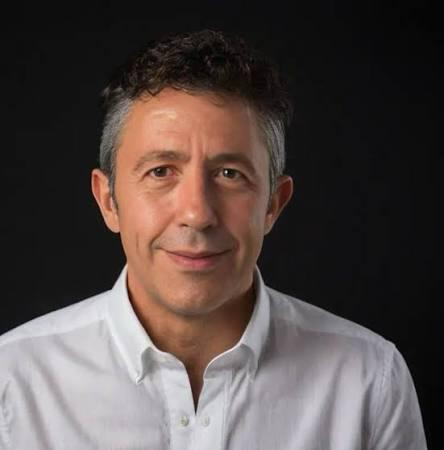
Father Javier Sancho Fermín, OCD, (CITeS, Ávila, Spain) is a graduate of the Master's in Buddhist Counseling at CBS-HKU, with a dissertation titled "Empathy and Compassion."
An important theoretical foundation of BC is that mental distress is rooted in existential suffering (dukkha), which, as inherent and normal to the human condition—the "aggregates of attachment" (khandhas)—, is not pathological and requires spiritual treatment.
For their psychotherapeutic work, it is essential that the Buddhist counselor refrains from adopting a dogmatic viewpoint regarding Buddhist teachings and their interpretations. For example, basing their intervention on the postulate of anatta means —a matter I discuss in an article (Freyre, 2018)— taking seriously the Sutta Vacchagotta, by presenting the Buddha advising not to succumb to the extreme positions of "there is being" or "there is no being"; eternalism or annihilationism; asceticism or hedonism; and inviting to the "middle way" (majjhimāpaṭipadā).
However, this does not mean that the Buddhist counselor, in the required spiritual treatment, disregards the physical, chemical, biological, or social factors of mental distress. Guiding the client's spiritual awakening consists, precisely, of catalyzing their resources of this nature to deal with their distress and associated circumstances.
Ultimately, the curriculum showcases this entire wealth of spiritual and scientific resources that the Buddhist counselor must possess and apply with ethical responsibility, serving as a "compassionate mentor" (kalyāṇa-mitra) who assists their client in "a deeper understanding of suffering, its cause, and the path leading to its cessation through the cultivation of right view, compassion, and wisdom" (BA-CBS-2022).
References:
- Kin Cheung Lee, The Guide to Buddhist Counseling (Routledge, 2023).
- Lee, K. C., Oh, A., Zhao, Q., Wu, F.-Y., Chen, S., Diaz, T., & Ong, C. K. (2017). Buddhist counseling: Implications for mental health professionals. Spirituality in Clinical Practice, 4(2), 113–128. https://doi.org/10.1037/scp0000124
- WHO. (2025). Depressive disorder (depression). 29 August.
- Kelly, B. (2025). Mental Disorder in Buddhism and Psychiatry. In: Buddhism and Psychiatry. Palgrave Macmillan, Cham.
- Corine et al. (2025). Prevalence, persistence, and severity of 12-month and 30-day DSM-5 disorders in the World Mental Health Hong Kong (WMHHK) Study. The Lancet Regional Health – Western Pacific, 65.
- Freyre, R. E. Fco. (2018). Working with the «Nonself-Language» in Buddhist-Inspired Therapies. J Yoga & Physio, 5(1), 555653. https://doi.org/10.19080/JYP.2018.05.555653
- BA-CBS-HKU. (2022). Code of Ethics for Professional Buddhist Counsellors. https://www.hkbuddhist.org/editor_upload_image/file/counsellor/code_of_ethics.pdf
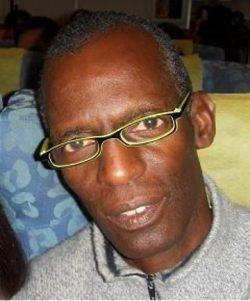
EDUARDO FCO. FREYRE R OACH
He holds a PhD in Philosophical Sciences (1987) and a degree in Philosophical Sciences (1983) from Moscow State University. Eduardo has been a professor at the Agrarian University of Havana and currently teaches Buddhism in the Master's program in Sociological and Philosophical Studies of Religion at the University of Havana and at the Center for Psychological and Sociological Studies of Havana. He has had the opportunity to teach courses at universities in Brazil, Mexico, Ecuador, and Bolivia. He is also a postdoctoral fellow with the PAIDEIA FE Group at UNICAMP. Additionally, he holds a master's diploma in Buddhist studies awarded by the Centre of Buddhist Studies at the University of Hong Kong. His research focuses on various areas of interest, including Buddhism and Wittgenstein. He recently served as a visiting professor at the Federal University of Santa Catarina (UFSC) in Florianópolis, Santa Catarina state, Brazil, where he teaches the course "Buddhism and Science."


